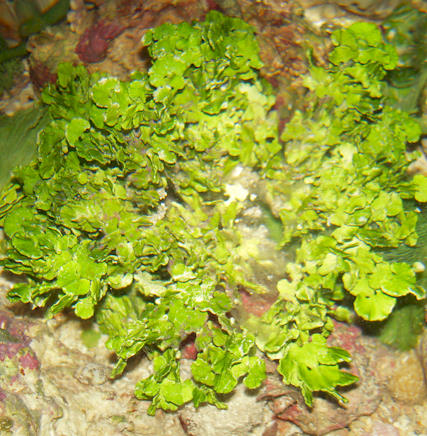
Halimeda opuntia

An abundant, heavily calcified species of Halimeda that’s a major producer of carbonate sand throughout the Caribbean. It features tight segments of calcified discs that form rather large mounds with several holdfasts anchoring each colony to rocks, sand and hard bottom. It’s abundant in sea grass beds and the edges of channels mixed with other calcareous algae. In the aquarium it requires large amounts of calcium supplementation to grow, as it is very dense in composition. Given the right conditions for growth, it can be used as a ground cover in large marine aquariums for a beautiful effect. This species is readily available and does very well in the aquarium. Not palatable to fish.
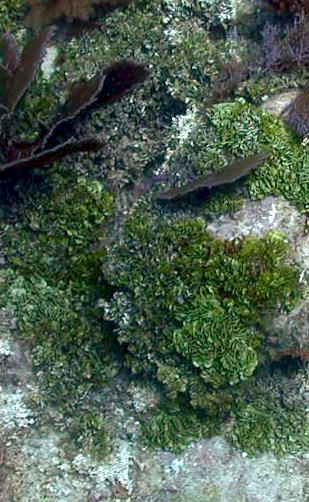
Scientific Name: Halimeda opuntia

Common Name: Unknown

Origin: Atlantic, Caribbean, Gulf of Mexico

Depth Collected: 4-70 Feet

Maximum Height : 10″

Growth Rate: Moderate

Light: Moderate to High

Temperature: 76-86

Propagation: Fragmentation, Sporulation

Difficulty: Easy

Food Value: Not Palatable

Nutrient Uptake: Fair

Flow Rate: Moderate
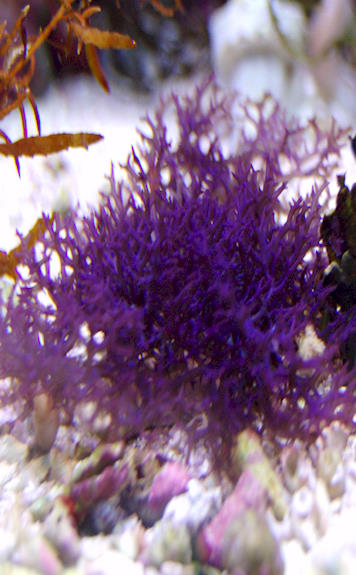
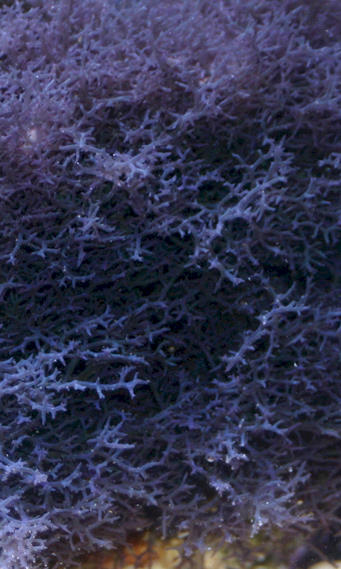
Hypnea pannosa

This particular algae is one of only a handful of blueish-iridescent specimens available in the aquarium hobby. It’s native to the Indo Pacific and was imported into the United States many years ago. It’s often confused with a similar species from the Caribbean called ochtodes but it’s not related. It features coarse, bushy, compact branches that grow as small clumps or mounds. It’s considered a turf algae and will quickly overgrow its environment given the proper conditions. They are found in shallow, turbulent areas, attached to rocks, hard bottom or epithetic on other plants. In the aquarium they need relatively bright light and low to moderate current, but are adaptable to a wide range of conditions. It tends to grow in cycles and will routinely start to die off if not divided occasionally. It’s is known to be palatable to some crabs, urchins and invertebrates, but is generally left alone in favor of a more suitable food source.

Scientific Name: Hypnea pannosa

Common Name: Blue Ball

Origin: Indo Pacific

Depth Collected: 5-45 feet

Maximum Height: 6″

Growth Rate: Moderate

Light: Moderate to High

Temperature: 78-84

Propagation: Fragmentation, Sporulation

Difficulty: Moderate

Food Value: Somewhat Palatable

Nutrient Uptake: Good

Flow Rate: Moderate

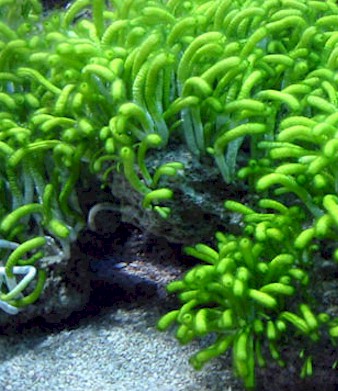
Neomeris annulata

An attractive, lightly calcified species of green macro algae that grows as small clusters or single solitary specimens. It features dark green, finger-like uprights, that are spongy and fuzzy at the top. This particular algae makes its appearance in the hobby on collected live rock and individual specimens on small shells from both the Pacific and Atlantic Ocean. It grows in fairly shallow water and is somewhat delicate and prefers less current, often attaching to mangrove roots and coral fragments in protected waters. It does fairly well in the aquarium, but its growth rate is minimal so the efficiency of nutrient uptake is limited. Somewhat palatable, but usually left alone. Calcium supplementation is recommended to maintain this specimen in the aquarium.

Scientific Name: Neomeris annulata

Common Name:  Finger Algae

Origin: Gulf of Mexico, Atlantic, Caribbean

Depth Collected: 1 – 30 Feet

Maximum Height : 4″

Growth Rate: Slow

Light: Moderate

Temperature: 78-86

Propagation: Fragmentation, sporulation

Difficulty: Moderate

Food Value: Somewhat palatable

Nutrient Uptake: Fair

Flow Rate: Low

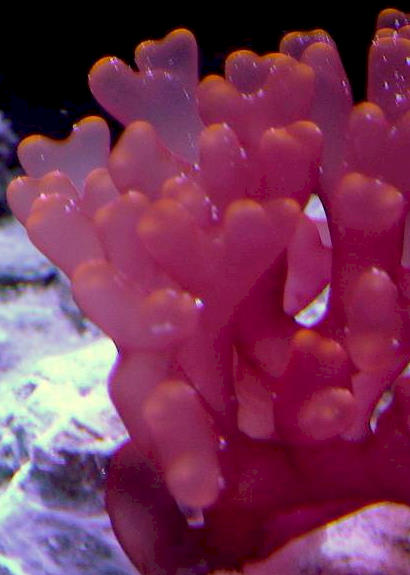
Nemastoma sp. 

A beautiful red algae from the Pacific that features a deep red coloration with gelatinous, slippery branches attached by a single holdfast. Its branches are filled with fluid, much like Botryocladia, to keep it buoyant. This particular algae is highly variable depending on the individual species and often features bright orange or white tips. This species is rarely seen in the aquarium industry and is typically introduced through the importation of collected live rock or coral colonies. Once established, it’s very hardy and will grow well in a variety of aquarium conditions, even low light environments. Most species favor good water quality and moderate water current. It’s palatable to most fish and invertebrates.

Scientific Name: Nemastoma sp. 

Common Name: Mickey Mouse Ears

Origin: Caribbean, Indonesia, S. Pacific

Maximum Height : 6″

Growth Rate: Moderate

Light: Moderate to High

Temperature: 72-82

Propagation: Fragmentation, Sporulation

Difficulty: Moderate

Food Value: Palatable

Nutrient Uptake: Good

Flow Rate: Moderate to High

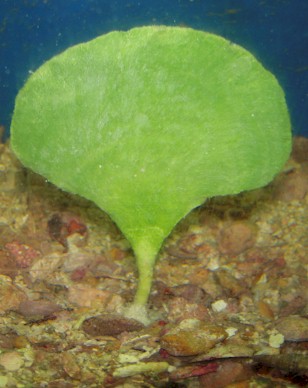
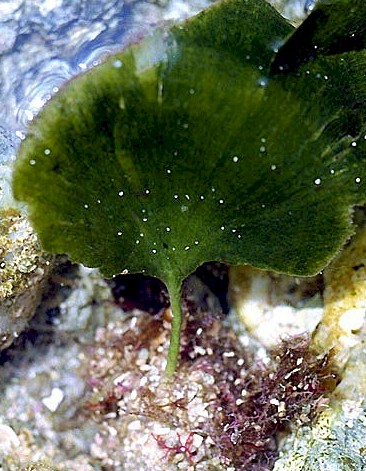
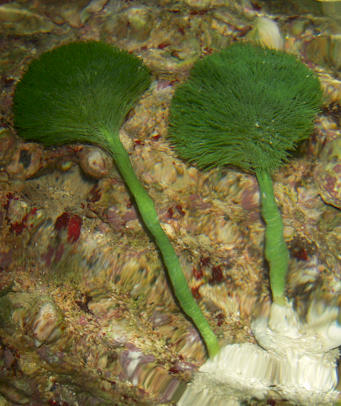
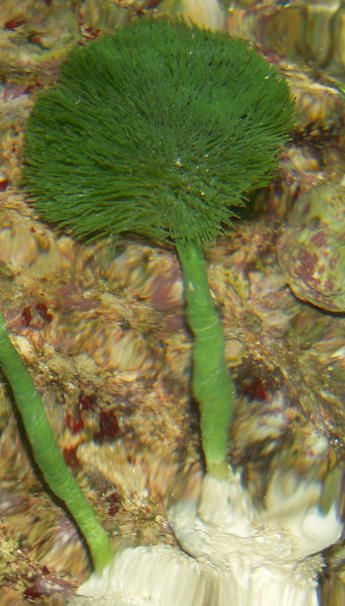
Udotea flabellum

A calcareous algae that is very popular in the aquarium. It features a broad, dark green, fan shaped top that can grow as large as 12″ or more. A cluster of rhizoids holds the plant upright and securely in the substrate. The large base (rhizoids) can extend several inches below the substrate, where “shoots” form new plants from the parent colony. When conditions are favorable in the aquarium, this species will reproduce rapidly by producing new plants near the base. Like many of the calcareous algae that grow exclusively in substrate, it needs a deep sand bed of 4″ or more. Calcium supplementation is needed and will provide optimum growth of up to 1″ per day. Not palatable to fish or invertebrates.

Scientific Name: Udotea flabellum

Common Name: Mermaid’s Fan

Origin: Atlantic, Caribbean

Depth Collected: 3-60 Feet

Maximum Height : 12″

Growth Rate: Moderate

Light: Moderate to High

Temperature: 76-86

Propagation: Fragmentation, Sporulation

Difficulty: Easy

Food Value: Not Palatable

Nutrient Uptake: Fair

Flow Rate: Moderate
Penicillus capitatus

An attractive, calcareous algae that is abundant on the reef flat and among sea grass beds commonly referred to as a pencil cap. It features a thick stem with a rounded, fine filament top. Its root-like structure is a large bulb with a series of rhizoids that anchor it to substrate and sometimes rocks. Mature plants reach a height of about 8″ and 2″-3″ in diameter. It occurs in shallow calm protected water to depths of 30 ft. In the aquarium the mature plant often dies to produce new plants at the base. Like most calcareous stem plants, it needs a deep sand bed of 4″ or more to grow in the aquarium. Calcium supplementation is needed. Not palatable to fish or invertebrates.

Scientific Name: Penicillus capitatus

Common Name: Pencil Cap

Origin: Atlantic, Caribbean

Depth Collected: 1-30 Feet

Maximum Height : 8″

Growth Rate: Moderate

Light: Moderate to High

Temperature: 76-86

Propagation: Fragmentation, Sporulation

Difficulty: Easy

Food Value: Not Palatable

Nutrient Uptake: Fair

Flow Rate: Low to Moderate

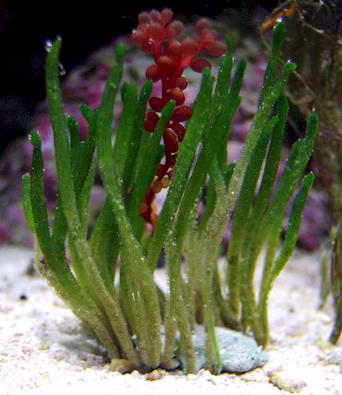
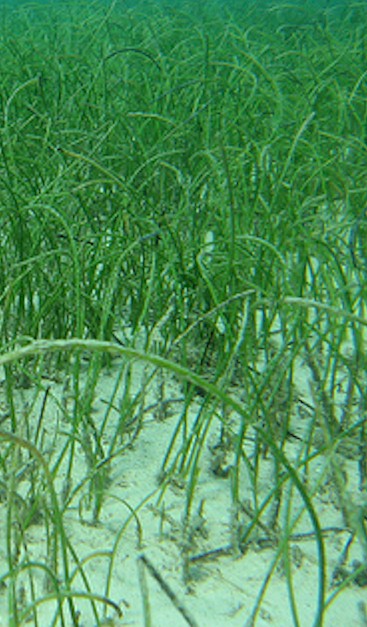
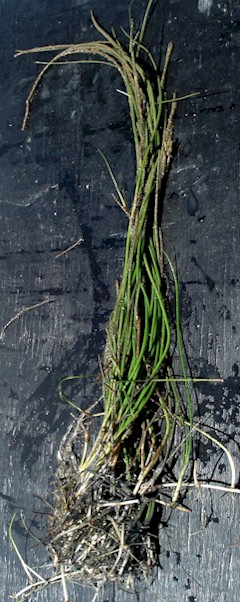
Syringodium filiforme

Manatee grass is the second most abundant sea grass in most of the Caribbean, as well as in Florida. It features long, cylindrical leaves reaching heights of up to 20 inches in deeper water meadows. It is most often found growing intertwined with turtle grass, as it prefers deeper water habitats to about 60 ft. Manatee grass can withstand salinities as low as 20 ppt. to approximately 40 ppt. In the aquarium it requires a moderate depth of sediment (6-8″ minimum) for its deep rhizome network. The root system spreads by lateral growth of the rhizomes at their ends and is the most common form of reproduction (flowering is rare). Sand beds that are rich in organic material are best, but plants can be fertilized by inorganic means such as dry and liquid plant food. The roots are easily damaged, so care must be taken when planting this particular species in the aquarium. A tall tank is usually needed as individual plants can grow quite large. It can be difficult to find specimens for sale as all seagrass is protected in Florida and can only be harvested as free floating specimens.

Scientific Name: Syringodium filiforme

Common Name: Manatee Grass

Origin: Gulf of Mexico, Atlantic, Caribbean

Depth Collected: 5-60 Feet

Maximum Height : 20″

Growth Rate: Slow

Light: High

Temperature: 78-86

Propagation: Rhizomes, Seeds

Difficulty: Advanced

Food Value: Not Palatable

Nutrient Uptake: Good once established

Flow Rate: Moderate to High

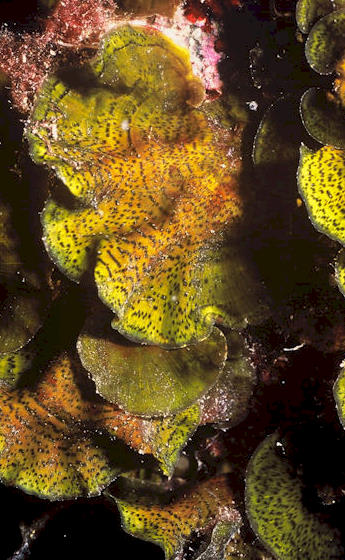
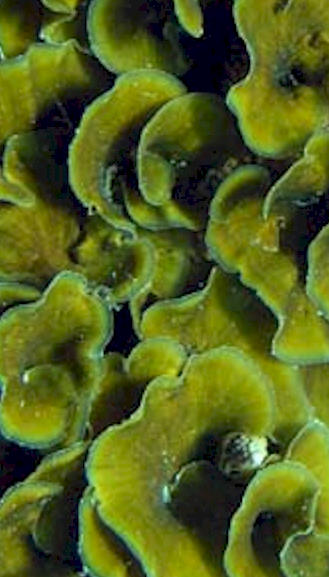
Lobophora sp.

Species of the brown algae Lobophora are very similar in shape and  composition to Padina but not related. It features smooth, ruffled discs, with white edges. The coloration varies from brownish-yellow to mottled green. Depending on the species, it can grow in variable depths and environments, from 3 feet to up to 100ft deep. Unlike Padina, it’s not calcified, but has a rubbery or fleshy texture. It’s a fairly slow grower and overall an excellent species for the aquarium. It does well under full spectrum light with moderate flow. It is somewhat palatable to fish or invertebrates.

Scientific Name: Lobophora sp.

Common Name: Unknown

Origin: Gulf of Mexico, Caribbean, S. Pacific

Depth Collected: 3 – 100 feet

Maximum Height : 10 blade”

Growth Rate: Moderate

Light: Moderate to Low

Temperature: 78-82

Propagation: Fragmentation, Sporulation

Difficulty: Moderate

Food Value: Somewhat palatable

Nutrient Uptake: Good

Flow Rate: Moderate to Low

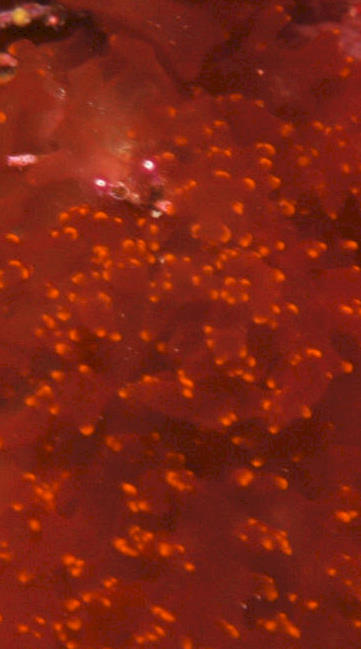
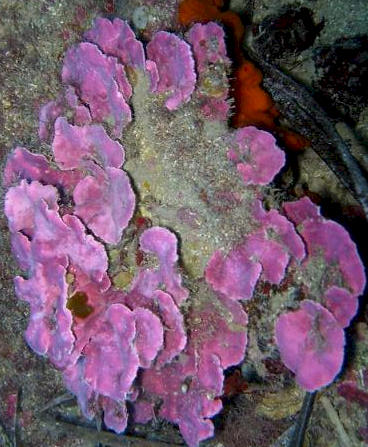
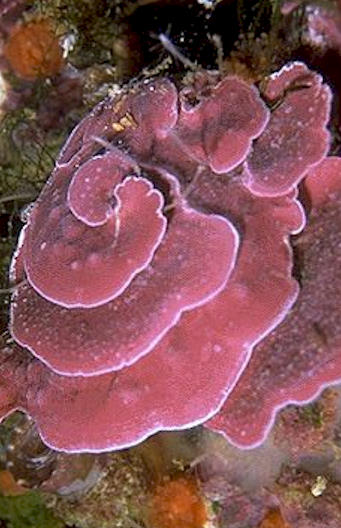
Lithophyllum sp.

Lithophyllum is a calcareous encrusting algae that forms heavily calcified plates or discs that encrust rocks and coral reefs. Like many encrusting algae, it plays an important role in building reef structures by cementing dead coral tissue and fragments together. It features overlapping pink colored irregular shaped discs, often with a distinctive white edge. Existing fragments can be broken off and glued to live rock in the aquarium. This species is most often encountered on imported live rock as it’s native to the reef and can be difficult to obtain. Like most heavily encrusting macro algae species it requires large amounts of calcium supplementation to grow.

Scientific Name: Lithophyllum sp. 

Common Name: Coralline Algae

Origin: Caribbean, S. Pacific

Depth Collected: 1-50 feet

Maximum Height: 8″

Growth Rate: Slow

Light: Moderate to High

Temperature: 72-82

Propagation: Sporulation

Difficulty: Moderate

Food Value: Not Palatable

Nutrient Uptake: None

Flow Rate: Moderate to High

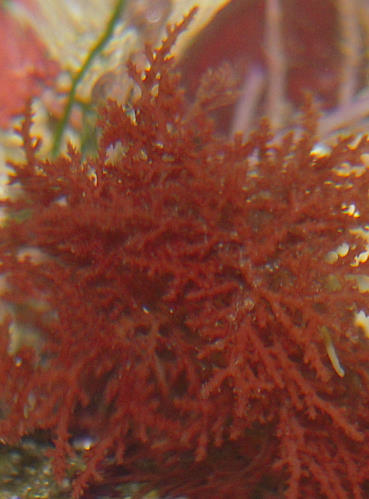
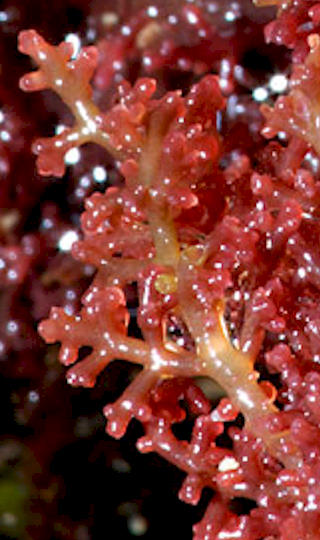
Laurencia sp.

Laurencia is a highly variable species with worldwide distribution. It features bright red, rather stiff branches that are connected to long cylindrical uprights. The branches are typically short with pointed tips. Because of the variation in color, branching pattern and texture within each species, it can sometimes be difficult to identify, especially in younger plants. Some species such as Laurencia iridescens, have a beautiful purple iridescent quality. Most species are native to the reef flat, as well as shallow inter-tidal habitats, growing on rocks, rubble and hard bottom. It frequently grows on other plants as an epithetic algae in sea grass beds and the reef flat. In the aquarium its a relatively undemanding specimen and will grow as long as sufficient light and nutrients are available. Most species of Laurencia are small and will only grow to about 6″ or so. Palatable to some fish and invertebrates.

Scientific Name: Laurencia sp.

Common Name: Unknown

Origin: Gulf of Mexico, Caribbean, South Pacific

Maximum Height : 8″

Growth Rate: Moderate

Light: Moderate

Temperature: 76-80

Propagation: Fragmentation, Sporulation

Difficulty: Moderate

Food Value: Somewhat Palatable

Nutrient Uptake: Good

Flow Rate: Moderate